Articulating Depth & Humility
Preamble
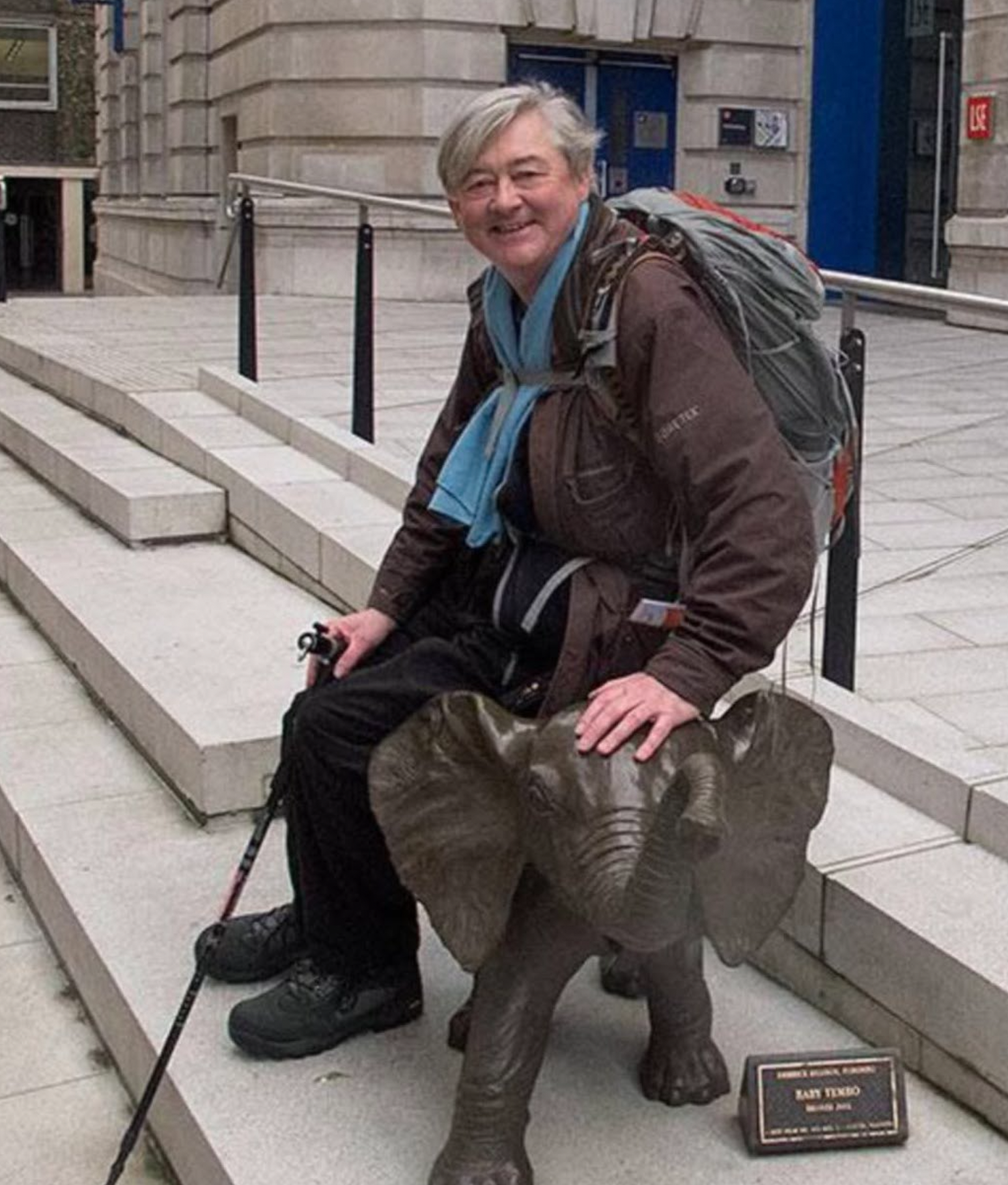
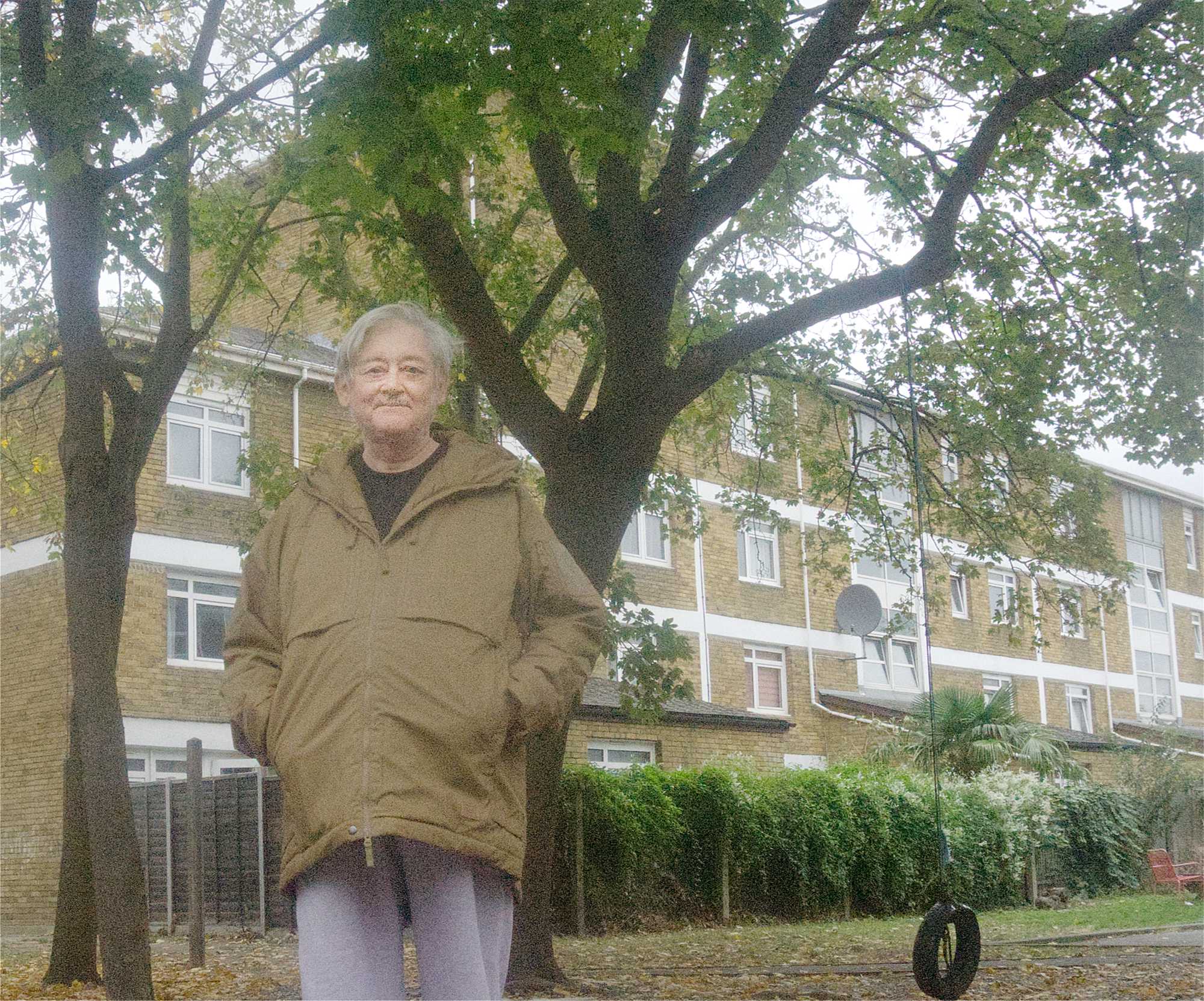
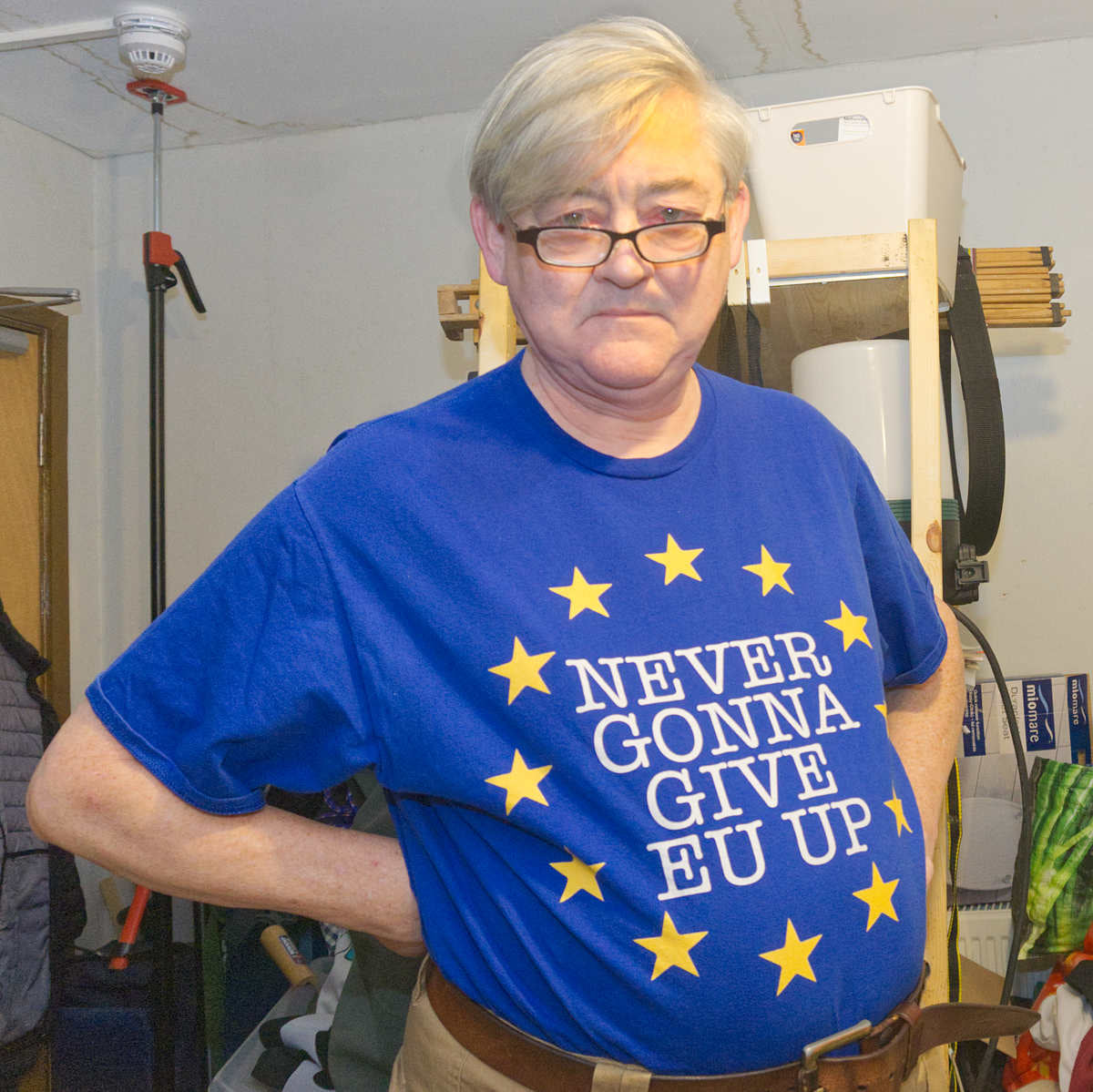
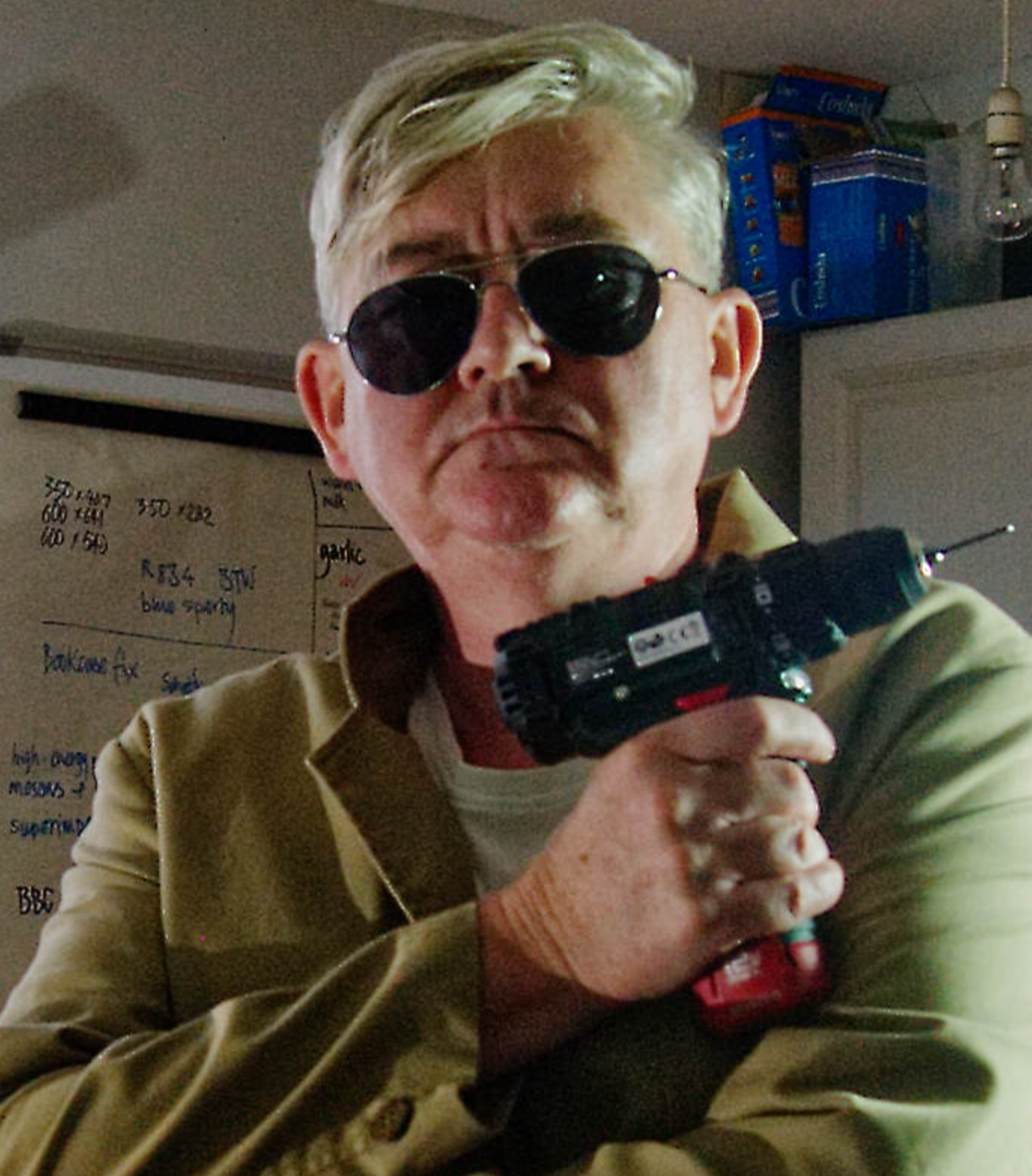
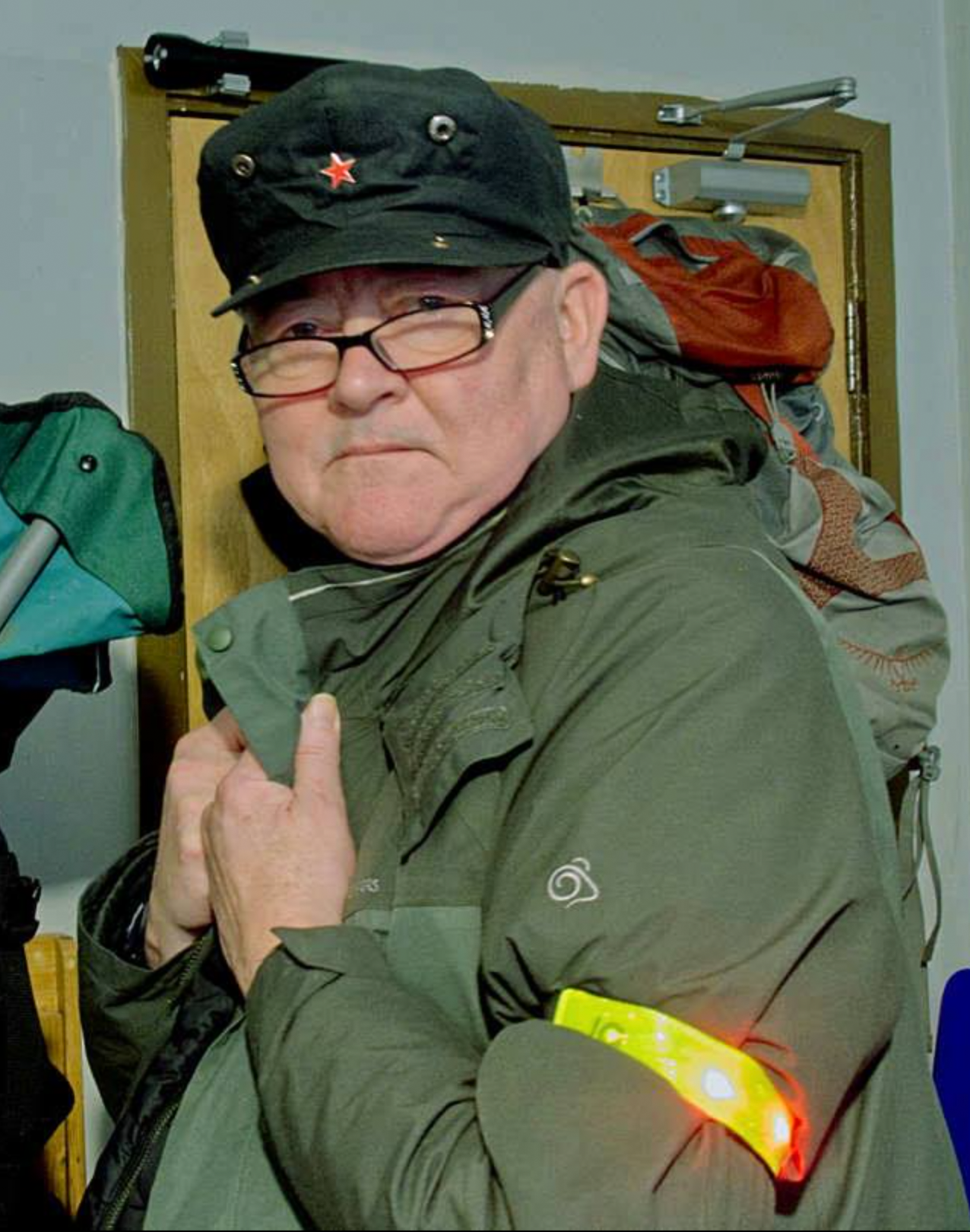
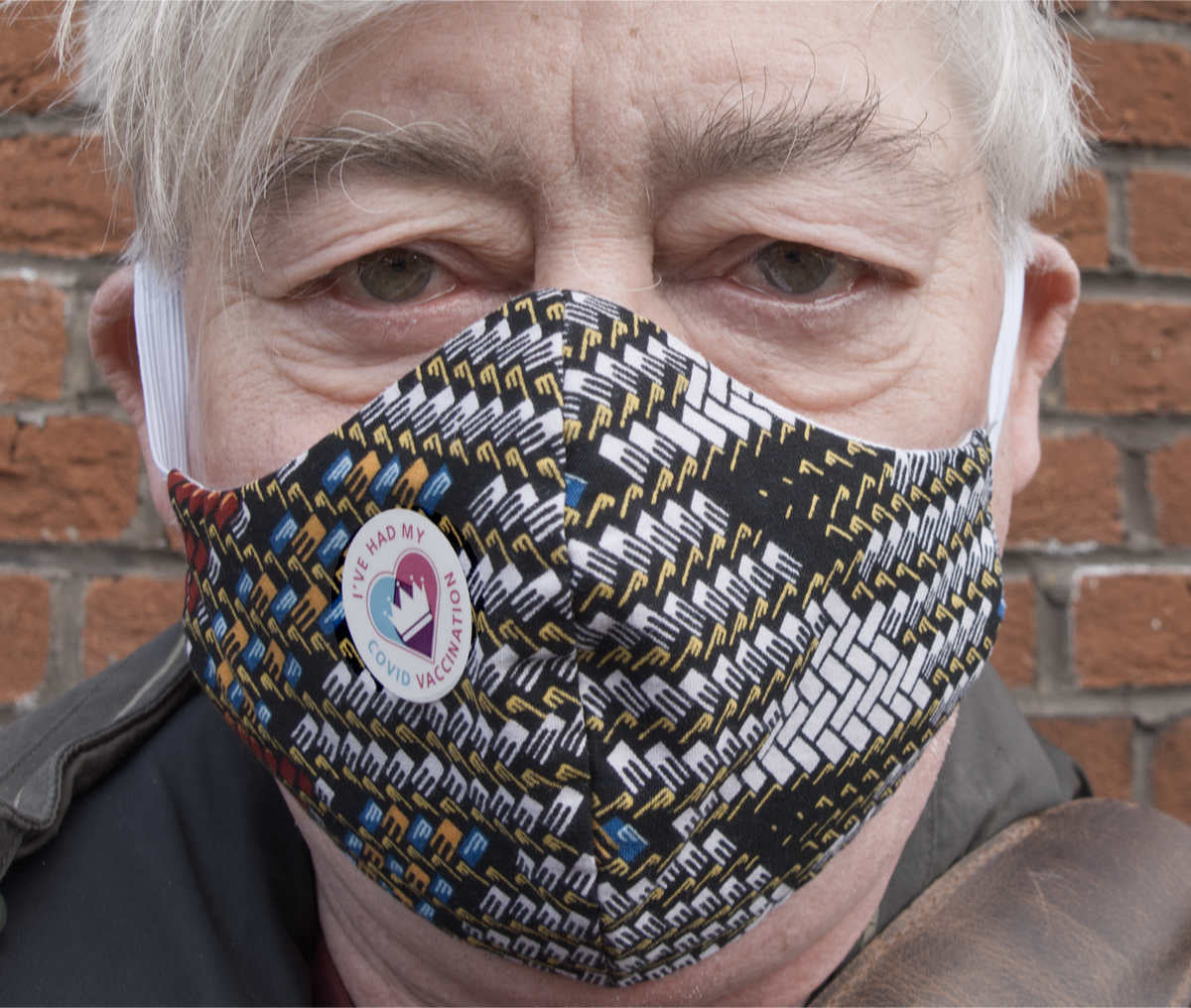
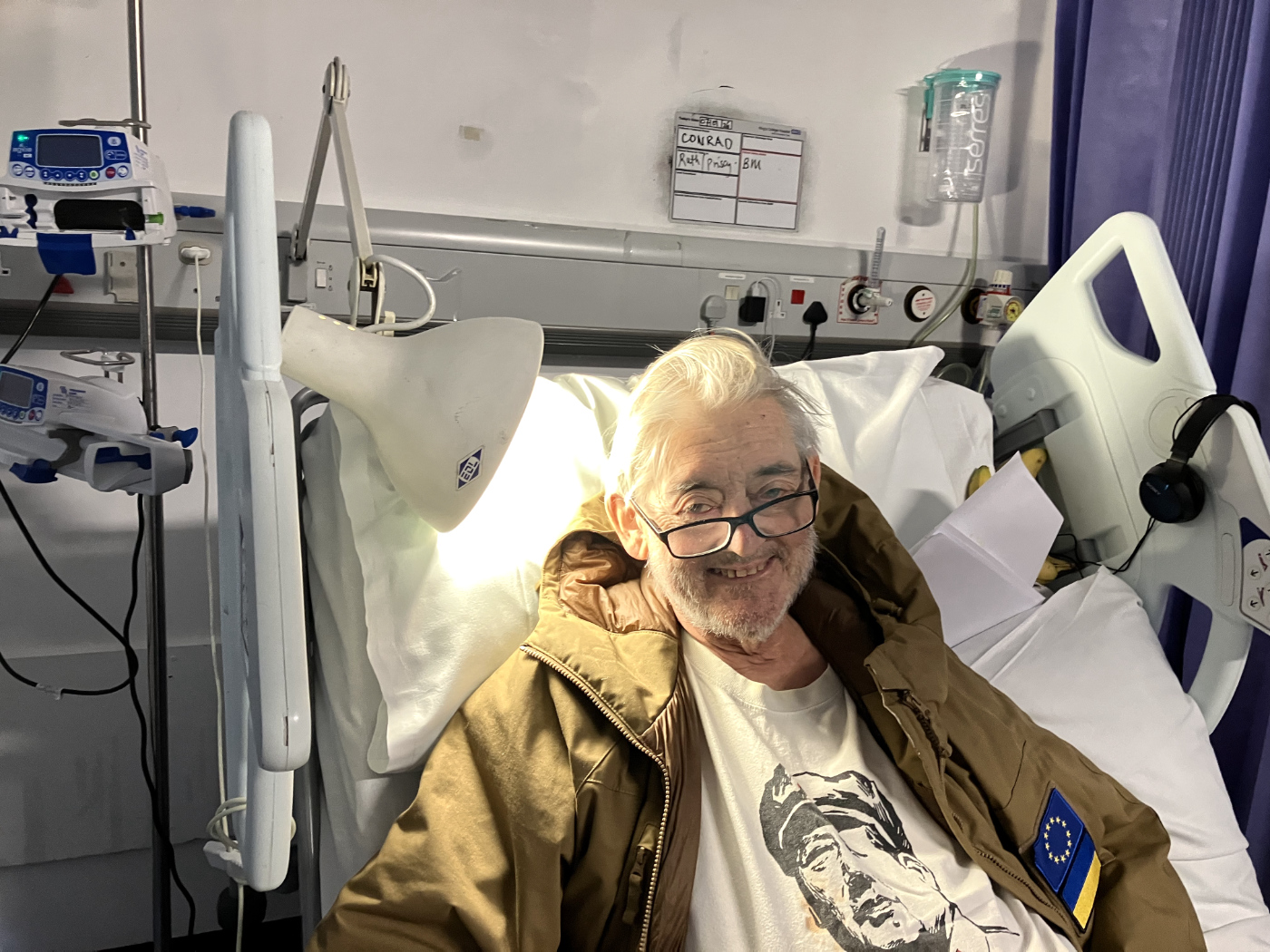
When I was in the foothills of my research into Communities of Practice, way back in 2008, and before establishing the Knowledge Hub (Khub) platform for Local Government, I came across Conrad Taylor who was presenting on a topic related to knowledge management (memory fades, I can’t recall the exact topic) at the British Computer Society premises on Southampton Street. I established an instant rapport with Conrad through a shared interest in community dynamics and how emergent technologies could be used to facilitate and encourage better sharing of knowledge amongst professional groups. And thus became a friendship that lasted until he sadly departed this mortal coil on Monday 20th April 2026.
I invited Conrad to join me on this voyage of discovery into ‘Communities of Practice’ and he was an enormous help to me as a critical friend and mentor. His extraordinary depth of knowledge and his ability to articulate complex concepts in plain English were invaluable to me during the development of the Khub.
This may be an unusual eulogy, because I want readers that may not have known Conrad very well to understand the person he was, and to that end I’ve used his own words, in an extract from something he wrote back in 2008. This was a time when social media was in its infancy, Facebook had only recently started to gain traction in the UK, and Communities of Practice was emerging as a business solution to greater efficiency. If this is not a topic that particularly energises you, skip to the last paragraph, it’s quite poignant.
Summary of Conrad’s Paper
Conrad Taylor reflects on the concept of Communities of Practice, arguing that while the academic terminology is relatively recent, the act of cooperative, community-rooted work is an ancient human tradition that he has practiced for decades. He advocates for a shift away from competitive, top-down management toward a vision of social justice and sustainability facilitated by collective action and the regulation of free-market capitalism. Central to his philosophy is the role of knowledge management and design, which he views as essential tools for transforming tacit human experiences into explicit, shareable resources that empower groups to self-organise. Ultimately, Conrad offers his professional expertise in information design and content production as a service to help this nascent initiative reify its ideas into professional products.
Articulating Depth and Humility
During one of the many sessions spent with fellow visionaries who shared a passion for collaborative working and co-design, Conrad was prompted to ‘Open his heart’. In response, he crafted a piece that stands out amongst his extensive body of work. This contribution not only reveals the profound depth of his knowledge and sense of community, but also showcases his remarkable ability to communicate ideas with clarity, surpassing that of many of his peers. Additionally, it offers a glimpse into Conrad’s character, highlighting both his humility and the sincerity with which he engages on a topic. Conrad’s paper follows.
Communities of Practice
AN OPEN HEART — it’s a phrase people use. I’m happy to leave open heart stuff to cardiac surgeons. But let me try opening my mind instead…
I became aware of the term Communities of Practice only within the last year, and reading Wenger’s book of the same name brought me some new and useful insights, I would not say that ‘CoP represents for me a new way of working’. Indeed I understand Wenger to consider himself to be drawing attention to something that has always existed, but that has to a large extent been under-studied.
Personally, I seem to have spent most of my last 35 years in committees, collectives, community projects, workers’ co-operatives and associations! So, this way of working is not new to me. So much so that when I collide with top-down managerial ways of working (as in the British Computer Society), or with competitive jealousies (as I have found in academic circles), it is those practices that seem to me to be anomalous and wrong-headed.
I guess one motivation for me in supporting this nascent initiative is that if there is going to be a struggle between selfish, territorial and competitive social behaviours on the one hand, and co-operative, open, community-oriented behaviours on the other, I want to strengthen the hand of the latter. In part, ironically, for selfish reasons, because that is the milieu in which I find survival easier.
Possible worlds
George Pór refers to the ‘better world that is possible’, and that vision also resonates strongly with me. I have long been active in support of human rights, social justice, the relief of poverty, the promotion of peace, gender equality, sustainability in development, and the protection of the natural environment. I do not believe that business, as it is conducted under the rules of capitalism and the free market, naturally organises to serve the interests of people and planet; not, at any rate, without community regulation. Nor have our visions been well served by the forms of political organisation which have masqueraded as socialism in, for example, Russia and China — indeed, in the ‘communist’ régimes, destructive practices have often been protected from their consequences for longer.
I would like, instead, to see what can be achieved by more co-operative, more community-rooted and feedback-informed co-ordination and management of our enterprises, and to discover to what extent the co-operation model can ‘scale up’. Is human nature and nurture such that bad behaviour is sociobiologically hardwired into the species? What can we learn, both from science and from practical action research, about human potential?
And now from such large questions about the nature of humanity to the issue of organising community…
Skillsets and KM
There is evidently a skillset around organising communities, and it is a very ancient one; within that, there’s a skillset in facilitation of the self-organising capabilities of communities. As Aristotle observed in his Rhetoric, when we see some people do something badly and others doing it well, there must be a hidden basis for a science of proper action; and so, we have the basis for a knowledgebase also.
For me, this raises the issue of knowledge management, and at two levels.
- The rôle of knowledge management within the life of communities of practice, communities of learning, communities of (…x); (let me henceforward refer to the ‘Communities’ of x…CoX if you like!)
- Knowledge management applied to our knowledges of facilitation and organisation skills, such that the tacit is rendered more explicit, organised, and made into a shareable resource.
George hints that CoP-knowledge is new and is special. Yes and no. For example, I have come to recognise that that there is an intermesh of concerns, and an intermesh of skillsets, between those who facilitate communities of practice in self-awareness, and those who seek fresher and more effective models for teaching and learning; and more specifically, those who facilitate communities of learning, and of inquiry. In this I am partly influenced by my mother, who was an innovative teacher and pioneer of Adult Literacy and English as a Second Language teaching in the UK, and more recently by working with Riaz Rhemtulla and colleagues at the Institute of Ismaili Studies.
And we have antecedents: I would count Illich and Hesse, Kropotkin and Comenius, Vygotsky and Papert and Freire — and if I were being more rigorous, I could doubtless think of others, and yet further back in time. Many of those thinkers concentrated their exploration of human potential in the educational and developmental sphere.
There are other fields of action from which we can learn and to which we can give, and I confess that I am an inveterate rambler across field boundaries. One that interests me in particular is design and innovation, and activities such as user requirements elicitation have, I think, a lot in common with empowering communities.
Tool-knowledge
In organising ourselves and our minds, and in organising with other people, we invest externalities with part of our knowledge — because we have devised tools that hold our knowledge better and in more shareable forms than we ourselves and our unassisted minds can. With Don Norman, we may call the more physical of these reifications ‘cognitive artefacts’. We have made them to record our thoughts using clay, vellum, paper, silicon and magnetism.
We have also reified our knowledge in institutions and in practices. The hunting party, the labour gang, the committee and the academy are tools no less than the sharpened stick, the copper chisel and the auger.
All tools, all institutions are products of the design process. Design as a process and as an approach to life has been off-centre, not sufficiently examined, but that too is beginning to change and I have been privileged to be part of the movement that is making design into a process with its own science, though it struggles to have a name for itself.
At times it’s called ‘Information Design’, and sometimes ’HCI’, but those terms deal but with flakes and chips of a greater whole. So, I shall just call this discipline Design, but hope you get a sense of my expanded sense of the term. — in which one can as much design a law or a business process as a frock or a poster. And in which the needs of the user and the community should be made central.
What Conrad is, wants and offers
I seem to have arrived at a critical juncture in my life and must contemplate a jump of some sort. I don’t like jumping and prefer like the orang-utan to feel the new bough in my grasp before I let go of the old one, but I may find myself without that comforting luxury soon, due to financial crisis.
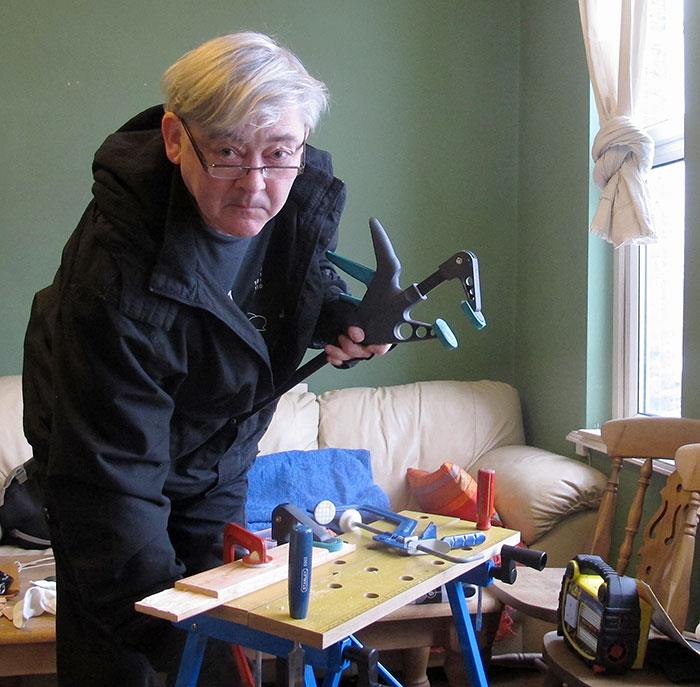
If I were living during the Middle Ages, I may have sought out the monastery and offered my skills as a lay brother. In this capacity, I would contribute to the community as a scribe or carpenter while reflecting on subsequent developments. I might be characterised as a cross between an artist/designer/artisan on the one hand, and an amateur scholar on the other.
To survive, I have either practiced my crafts or taught them. My designing, writing and illustration work brought me into contact with computers; then electronic publishing and Information Design in turn led me to a better appreciation of information and data management.
In recent years, and largely through my engagement in the KIDMM initiative, I have wanted to integrate all my questionings and understandings of technology and society together across a wide range of disciplines. Not quite a theory of everything — but that hunger to understand phenomena and describe them in a coherent way is very strong in me; it’s the scientific part of my mental formation.
I must make sense of things, as much as I need to eat and drink!I want to understand more about how to facilitate communities, both through forms of engagement and organisation, and by designing and deploying appropriate communication technologies. Perhaps our European Community Facilitators project or whatever we end up calling it will help me there?
I do not know whether working with CoPs or with lifelong learning or other communities is going to play a larger role in my future working life, but I think I have something to contribute. Within community facilitation I believe, as I’ve said, that there is an important role for knowledge management, for articulating ideas and experience, for reifying knowledge into materials that can be organised and shared. And for publishing. Within our proposed community, if I were to focus on the articulation and reification aspects, that would not only serve my personal learning needs but also, I think, benefit our project.
You might say, then, that if this idea gets off the ground, I would see my contribution as a kind of service role in the management and production of content, and the preparation to professional standards of knowledge and information products. Which might be a basis for the business survival of the group and, if it is thought appropriate, a source of income for me.
Conrad Taylor, 29 November 2008